A single pest sighting in a restaurant can destroy years of reputation overnight. Beyond the reputational risk, South African food service businesses face strict legal obligations around pest management — and municipal health inspectors are enforcing them more rigorously than ever.
Legal Requirements in South Africa
Food-handling businesses in South Africa must comply with several overlapping regulations:
- Regulations Governing General Hygiene Requirements for Food Premises (R.638 under the Foodstuffs, Cosmetics and Disinfectants Act) — Requires pest-proofing, cleanliness, and effective pest control measures.
- Municipal by-laws — Each metro (Johannesburg, Cape Town, Durban, Tshwane, etc.) has its own health inspection requirements and grading systems.
- HACCP principles — Hazard Analysis and Critical Control Points is the international food safety standard. Pest control is a critical control point in any HACCP plan.
- SANS 10049 — The South African standard for food safety management, which includes pest management as a prerequisite programme.
Failure to comply can result in fines, forced closure, loss of your food licence, and liability for food-borne illness claims.
What Health Inspectors Look For
During a municipal health inspection, pest-related checks typically include:
- Evidence of an active pest management contract with a registered service provider
- Up-to-date service reports and treatment records
- Proof of pest-proofing (door sweeps, sealed gaps, fly screens on windows)
- Absence of droppings, gnaw marks, or live pests in food preparation areas
- Proper waste management — sealed bins, regular removal, clean bin storage areas
- Fly control devices positioned correctly (not above food prep surfaces)
- Staff awareness of pest reporting procedures
Common Pest Threats in SA Restaurants
Cockroaches
The number one restaurant pest. German cockroaches thrive in warm kitchen environments with abundant food and moisture. They spread salmonella, E. coli, and other pathogens directly onto food surfaces and utensils.
Flies
House flies and fruit flies contaminate food by transferring bacteria from waste and decaying matter. UV light traps and proper waste management are essential controls.
Rodents
Rats and mice enter through delivery doors, drainage systems, and roof spaces. A single rodent sighting during service hours can trigger an immediate inspection failure.
Stored Product Pests
Beetles, weevils, and moths infest dry goods like flour, rice, and spices. Regular stock rotation and sealed storage containers are critical.
Building a Compliant IPM Programme
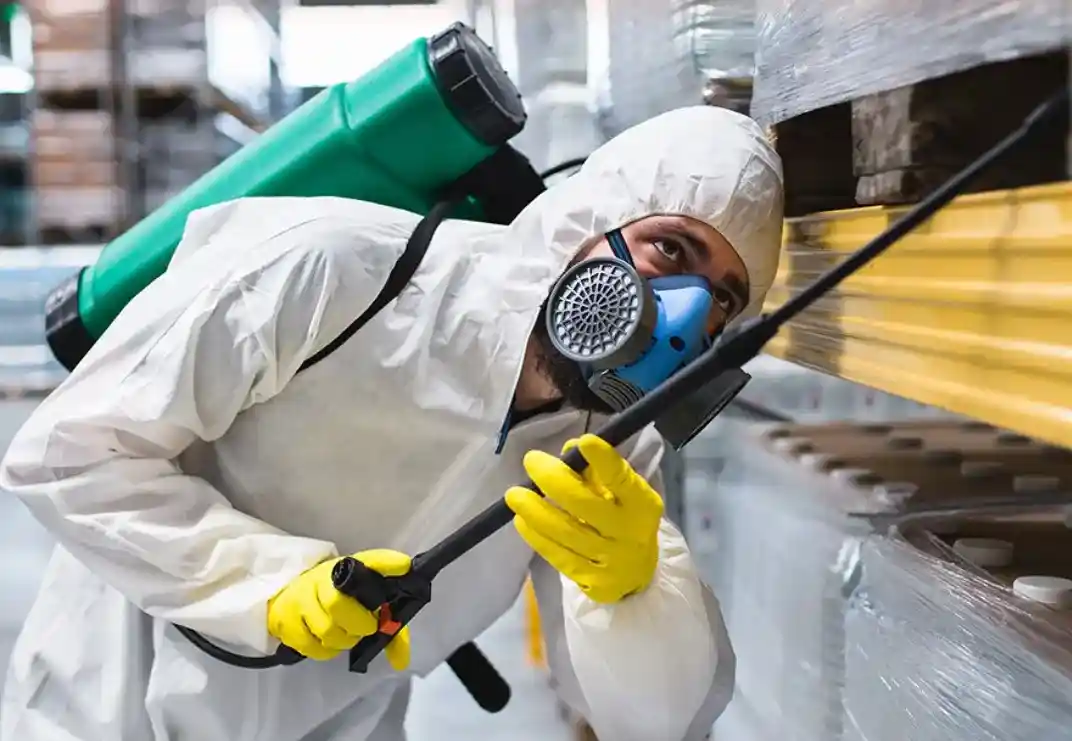
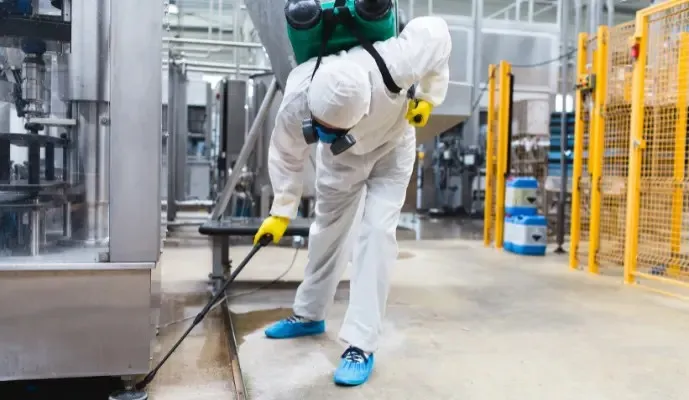
Aplus Pest Control designs commercial IPM programmes specifically for food service environments. A compliant programme includes:
- Initial risk assessment — Mapping pest pressure points, entry routes, and harbourage areas across your premises.
- Scheduled monitoring visits — Monthly or bi-weekly inspections with documented findings and corrective actions.
- Tamper-proof bait stations — Placed in non-food areas, locked, and serviced on schedule.
- Gel baiting programmes — Targeted cockroach treatments in kitchen equipment, behind fridges, and in service ducts.
- Fly management — UV trap installation, maintenance, and glueboard replacement.
- Exclusion work — Sealing gaps, installing door sweeps, and screening vents.
- Staff training — Teaching your team to identify and report pest activity immediately.
- Digital reporting — Service reports delivered after every visit, ready for inspector review.
What Happens If You Fail an Inspection?
Consequences range from a written warning with a compliance deadline to immediate closure. In severe cases, the municipality may publish your failed inspection result publicly. For franchise and chain operators, a failed inspection at one location can trigger audits across the entire brand.
The cost of a professional pest management contract is a fraction of the cost of a single failed inspection, forced closure, or food poisoning lawsuit.
Choosing the Right Pest Control Partner
Ensure your provider is SAPCA-registered, uses DALRRD-approved products suitable for food premises, and can provide detailed service documentation. Ask about their experience with your specific food service category — a bakery has different pest pressures than a full-service restaurant or a fast-food outlet.