From October through March, rising temperatures and summer rains create the perfect conditions for pest populations to explode across South Africa. Ants march indoors, mosquitoes breed in standing water, flies invade braai areas, and termite alates swarm after rain. Here's how to protect your home during peak pest season.
Why Summer Means More Pests
Warmth accelerates insect metabolism and reproduction cycles. A cockroach egg case that takes 60 days to hatch in winter may hatch in 30 days during summer. Combined with increased humidity after thunderstorms, pests have everything they need to multiply rapidly.
South African summers also mean more human activity outdoors — braais, pool parties, open windows — which creates additional food sources and entry points for pests.
Top Summer Pests in South Africa
Mosquitoes
Mosquitoes breed in any standing water — flower pot saucers, blocked gutters, bird baths, and uncovered water tanks. They are vectors for malaria (in lowveld areas), dengue fever, and West Nile virus. Peak activity is at dawn and dusk.
- Empty containers that collect rainwater weekly
- Keep gutters clear and flowing
- Install screens on windows and doors
- Use EPA-approved repellents when outdoors
Ants
Sugar ants, pugnacious ants, and Argentine ants become highly active in summer. They enter homes searching for food and water, often in long trails along walls and windowsills. Kitchens and bathrooms are the most common invasion points.
- Wipe down surfaces immediately after food preparation
- Seal cracks around windows and door frames
- Trim vegetation touching exterior walls
- Professional gel baiting targets the colony, not just visible ants
Flies
House flies, blow flies, and fruit flies peak during summer. They breed in waste, compost, and decaying organic matter. A single fly can carry over 100 pathogens.
- Keep bins sealed and wash them regularly
- Cover food during outdoor entertaining
- Clean braai areas promptly after use
- Install fly screens and consider UV light traps for kitchens
Termite Swarms
After the first heavy summer rains, subterranean termites release winged swarmers (alates) to establish new colonies. If you see clouds of flying insects near windows after rain, it may be a termite swarm — not flying ants.
- Collect a sample and have it identified by a professional
- Schedule a termite inspection if swarmers are found indoors
- Ensure soil around foundations isn't built up above the damp-proof course
Cockroaches
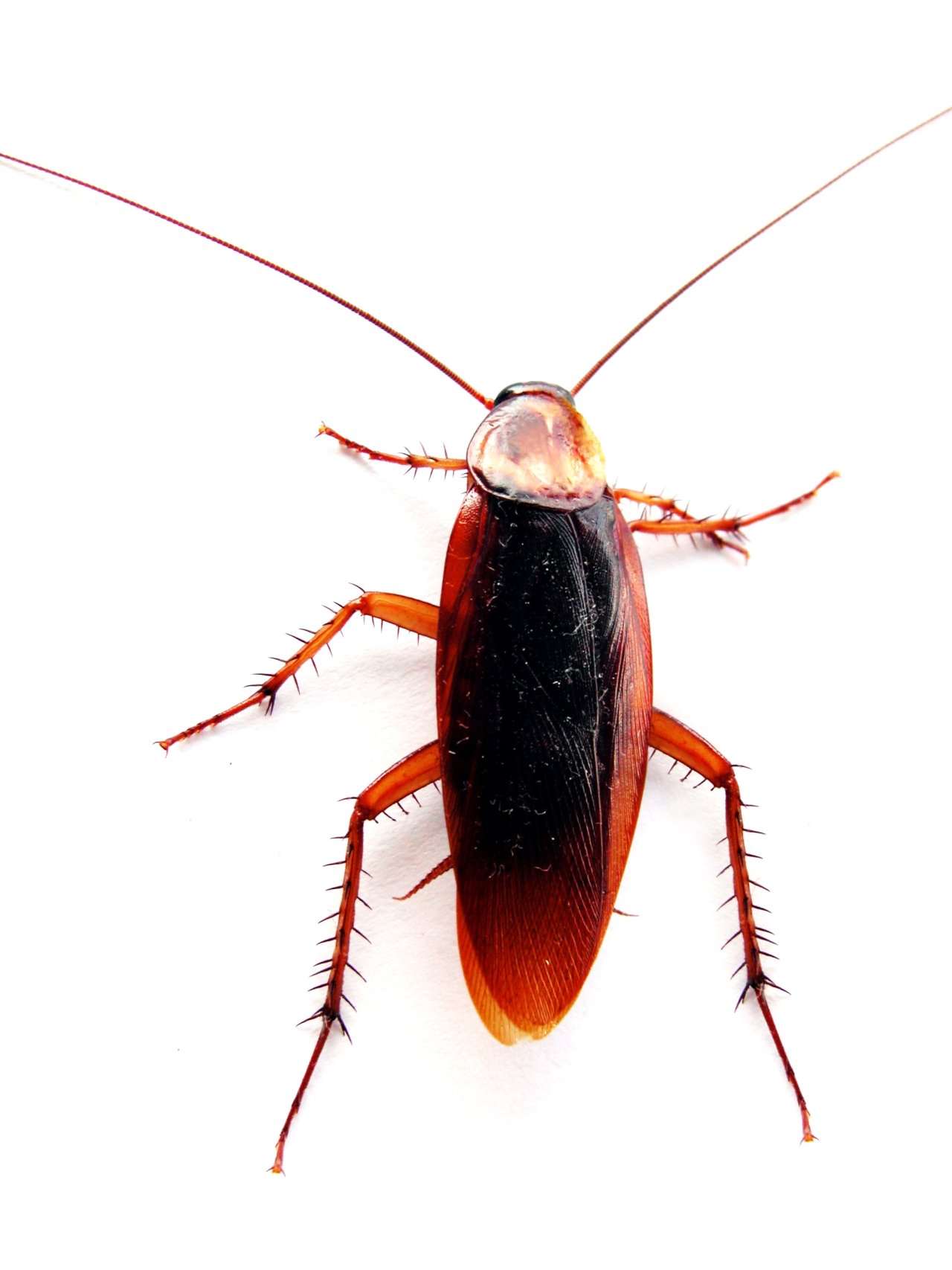
German cockroaches thrive in summer heat. Kitchens with poor ventilation and high humidity are especially vulnerable. Populations can double every 2–3 weeks during peak season.
Preparing Your Home for Summer
- Exterior inspection — Walk around your property and seal gaps in walls, roof fascia, and around pipe entries.
- Garden maintenance — Trim bushes away from walls, remove leaf litter, and avoid mulch piled against the foundation.
- Water management — Fix leaking outdoor taps, ensure proper drainage, and cover water storage tanks with fine mesh.
- Waste control — Use bins with tight-fitting lids. Rinse recycling containers before storing.
- Professional pre-season treatment — A preventive treatment in early spring creates a barrier before populations peak.
When to Call for Help
DIY measures work for minor, isolated pest sightings. Call a professional if you notice persistent ant trails, multiple cockroaches, termite swarmers, rodent droppings, or if pests return after home treatments. Summer infestations escalate quickly — a small problem in November can become a major infestation by January.
Aplus Pest Control offers same-week appointments across Gauteng and services nationwide. Our summer protection plans include a full property inspection, targeted treatment, and a 90-day follow-up to ensure your home stays pest-free through the season.