Rats and mice are far more than a nuisance. They are vectors for serious disease, prolific breeders, and capable of causing fires and floods through gnawed wiring and pipes. In South Africa's urban and suburban areas, rodent activity peaks during colder months — but infestations can occur year-round.
Diseases Spread by Rodents
Rodents can transmit more than 35 diseases to humans, either directly through bites and scratches, or indirectly through their urine, droppings, and the fleas and ticks they carry.
- Leptospirosis — Spread through contact with rat urine in water or soil. Causes fever, muscle pain, and in severe cases, liver and kidney damage.
- Salmonella — Contaminates food and kitchen surfaces when rodents travel across them.
- Hantavirus — Transmitted through inhaling dust contaminated with rodent droppings. Can cause serious respiratory illness.
- Rat-bite fever — Transmitted through bites or scratches from infected rats.
- Lymphocytic choriomeningitis (LCMV) — Carried by house mice; particularly dangerous for pregnant women.
Children, the elderly, and people with compromised immune systems face the highest risk. Even cleaning up droppings without proper protection can expose you to airborne pathogens.
Property Damage Rats Cause
A rat's incisors never stop growing, so they gnaw constantly to keep them worn down. This behaviour leads to serious and expensive damage:
- Electrical fires — Gnawed wiring is one of the leading causes of unexplained house fires in SA.
- Plumbing leaks — Plastic and copper pipes are no match for determined rodents.
- Structural damage — Insulation, wooden beams, and drywall are shredded for nesting material.
- Contaminated food — A single rat can ruin an entire pantry's worth of stored goods.
- Vehicle damage — Rats nesting in engine bays can chew through wiring harnesses, costing thousands in repairs.
Common Rodent Species in South Africa
Black Rat (Rattus rattus)
Excellent climbers that nest in roofs, ceilings, and upper floors. Often enter through overhanging tree branches and damaged fascia boards.
Brown Rat / Norway Rat (Rattus norvegicus)
Larger and more aggressive. Burrows underground, nests in basements and ground-level voids. Common near waterways and rubbish areas.
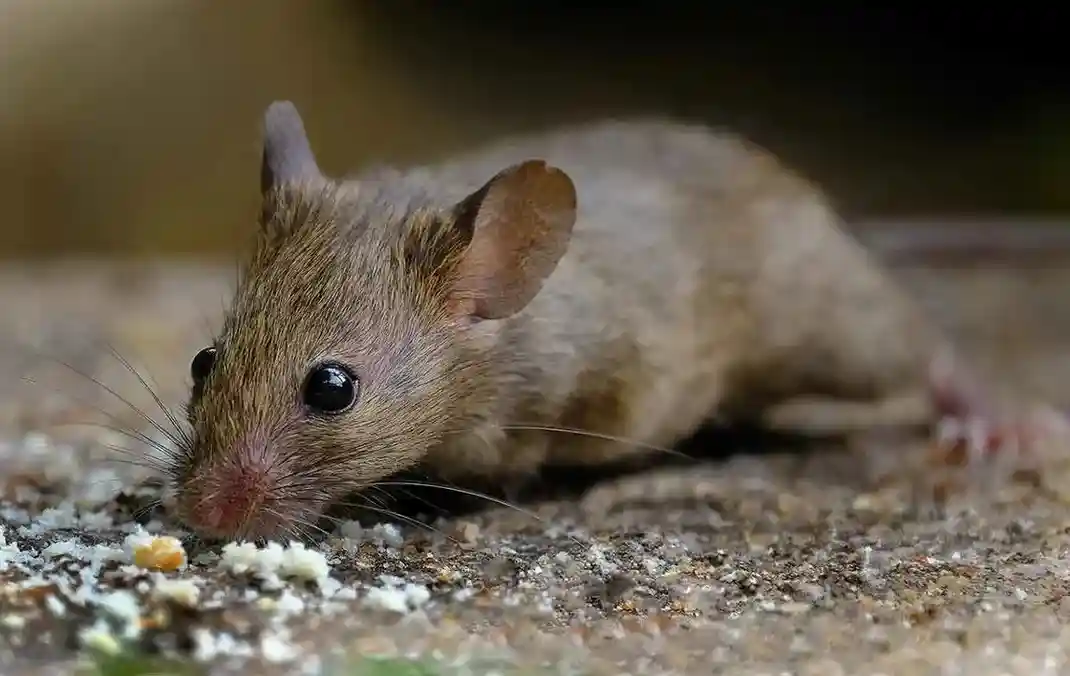
House Mouse (Mus musculus)
Smaller but breeds rapidly — a single pair can produce 60+ offspring per year. Enters through gaps as small as 6 mm.
Signs of a Rodent Problem
- Scratching or scurrying sounds in the ceiling or walls at night
- Dark, tapered droppings (12–18 mm for rats, 3–6 mm for mice)
- Gnaw marks on food packaging, skirting boards, or cables
- Greasy rub marks along walls where rodents travel
- Nests made of shredded paper, fabric, or insulation
- A musky ammonia-like odour, especially in enclosed spaces
Professional Rodent Control vs DIY
Shop-bought poison baits pose risks to children, pets, and non-target wildlife. Poisoned rats may also die inside wall cavities, causing severe odour problems. Professional rodent management uses tamper-proof bait stations, exclusion techniques (sealing entry points), and trapping programmes tailored to the species and severity of infestation.
Aplus Pest Control follows an integrated approach: inspect, exclude, eliminate, and monitor. We identify how rodents are entering your property and close those gaps permanently.